
Service West Chicago & nearby
Lawn fertilization in West Chicago
Grass needs the right nutrients at the right time to stay thick and green. We tailor fertilizer applications to your lawn and look closely at problem spots like yellowing, bare patches and slow growth.
5.0 6 Google reviews Locally owned Licensed & insured
- 5.0 on Google 6 reviews
- Licensed & insured Trained & certified
- Locally owned West Chicago shop
- Free estimates Outlined in detail
Feed the lawn
Right amount. Right time.
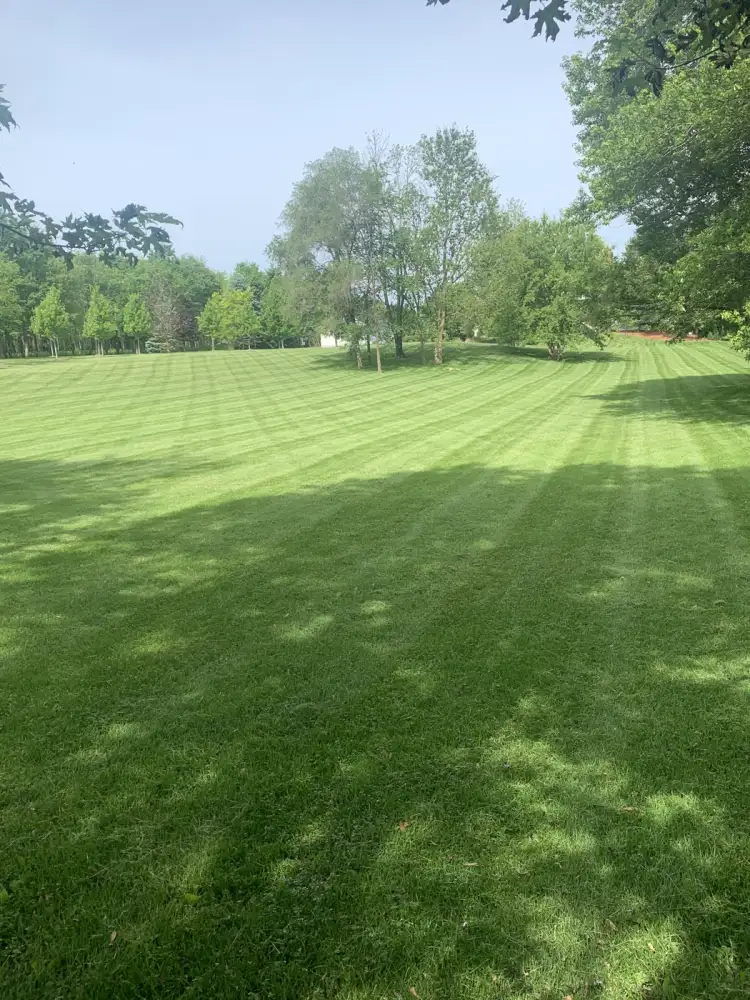
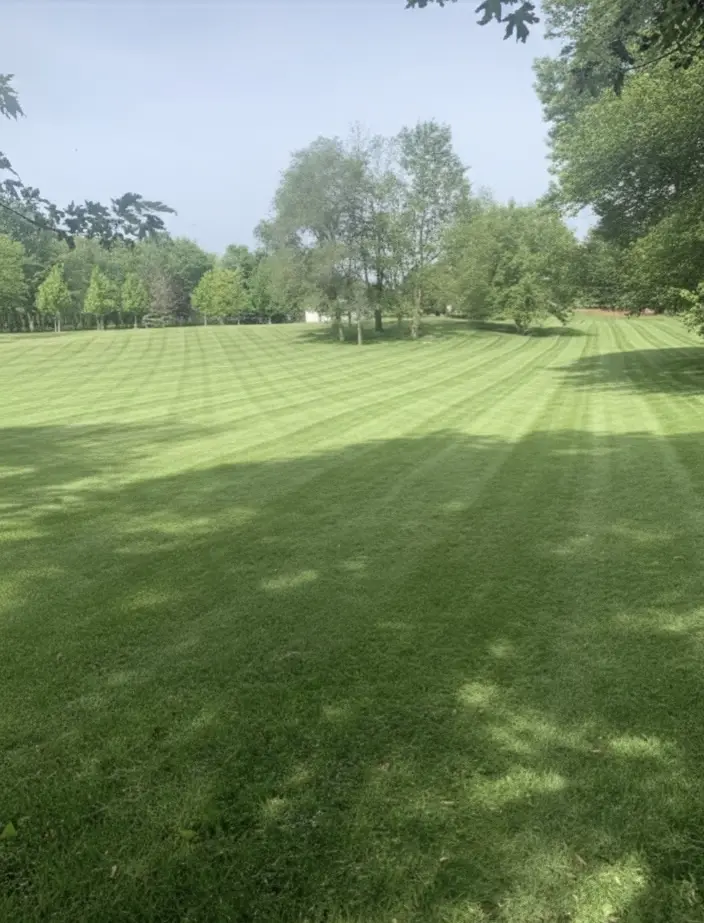
More fertilizer isn't better. Too much at the wrong time can burn grass, push weak growth or simply wash away, while too little leaves the lawn pale and thin. We use high-quality fertilizers matched to what your lawn needs and apply them in the right amounts at the points in the season where they do the most good.
Not every problem is a feeding problem. Yellowing, bare spots and poor growth can come from compaction, thatch, shade or pests. We look at what's actually going on in the trouble areas and target the treatment there, instead of blanketing the whole yard and hoping.
When the fix is more than fertilizer, we can handle that part as well. Aeration, de-thatching and overseeding are all part of how we build a healthier, thicker lawn, and we'll recommend them only when your lawn would actually benefit.
A lawn that's fed well and mowed well crowds out a lot of its own weeds.
Know the signs
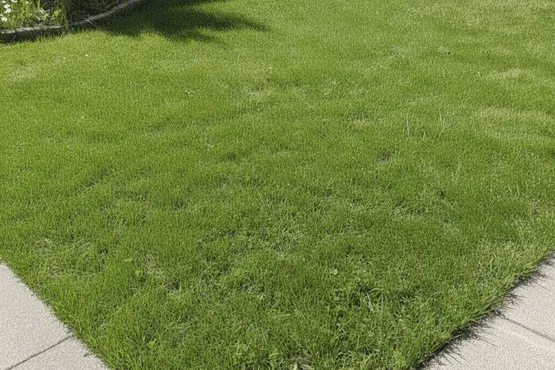
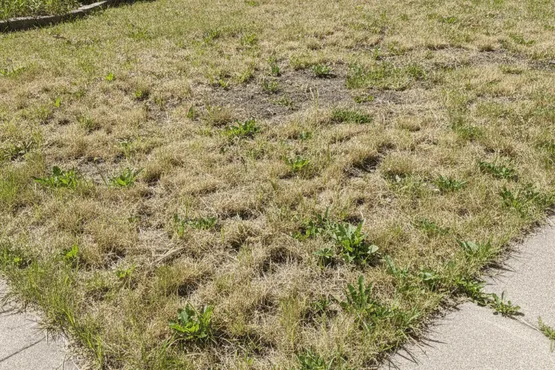
Signs your lawn is hungry
Color is pale or yellowing
A lawn that looks washed out instead of deep green is often short on nutrients.
Growth is slow and thin
If the grass barely needs mowing in peak season, or you can see soil between the blades, it may need feeding.
Bare spots keep showing up
Patches that never fill in can be a nutrient issue or something else entirely. We'll help figure out which.
Weeds are moving in
Thin turf leaves room for weeds. A dense, well-fed lawn gives them less space to take hold.
It's never been fed on a plan
An occasional bag from the store rarely lines up with what the lawn needs and when. A tailored approach puts the right feeding at the right point in the season.
How it works
How fertilization service works
Questions before we start? Call or text 630-746-4248, or send photos of the yard.
Request an estimate- 01
Assess the lawn
We look at color, density and problem spots, and ask about what you've seen and tried.
- 02
Build the plan
Based on what we find, we choose the fertilizer and timing that suit your lawn.
- 03
Apply it right
Each application goes down in the right amount, with extra attention on the trouble areas.
- 04
Watch the response
As the season goes on, we keep an eye on how the lawn responds and talk with you about any changes to the plan.
5.0 on Google · 6 reviews
Neighbors say it best.
How many applications does a lawn need?
It depends on the grass, the soil and what the lawn has been through. We'll recommend what makes sense for your yard after we've looked at it, rather than starting from a fixed number.
Will fertilizer fix my bare spots?
Sometimes, but not always. Bare spots can come from compaction, heavy thatch, shade or pests, so we look at the cause first. Some patches respond best to aeration and overseeding.
What is de-thatching?
Thatch is a layer of dead stems and roots that builds up between the grass and the soil. A thin layer is normal, but a thick one blocks water and nutrients. De-thatching removes the excess so the lawn can take in what it's fed.
Is there anything I need to do after an application?
We'll tell you anything specific to that visit, such as whether to water it in. Otherwise, keep mowing on your normal schedule and let us know if you notice changes.
Can I combine fertilization with mowing?
Yes. Regular mowing and a feeding plan work well together. Ask about adding weekly mowing and trimming when we put your quote together.
Lawn fertilization near you
Free, no-obligation estimates
Ready for a yard you don't have to think about?
Tell us what your property needs, or text a few photos. We'll come back with a clear, detailed estimate.
Serving West Chicago & nearby
All service areas